
Q&A on Selecting a Public Cloud Platform for Foot Traffic in Chain Retail Stores: A Comparison of Dedicated Devices vs. General-Purpose Cameras on Cost, Accuracy, and Maintenance
Launching foot traffic analytics for chain retail stores requires addressing hardware first. This Q&A compares dedicated客流 devices against general-purpose cameras across four dimensions: cost, accuracy, maintenance, and compliance. It also outlines a three-step selection process: store inventory assessment, compatibility testing, and total cost of ownership over three years.
1Introduction: The First Hardware Choice for Chain Stores
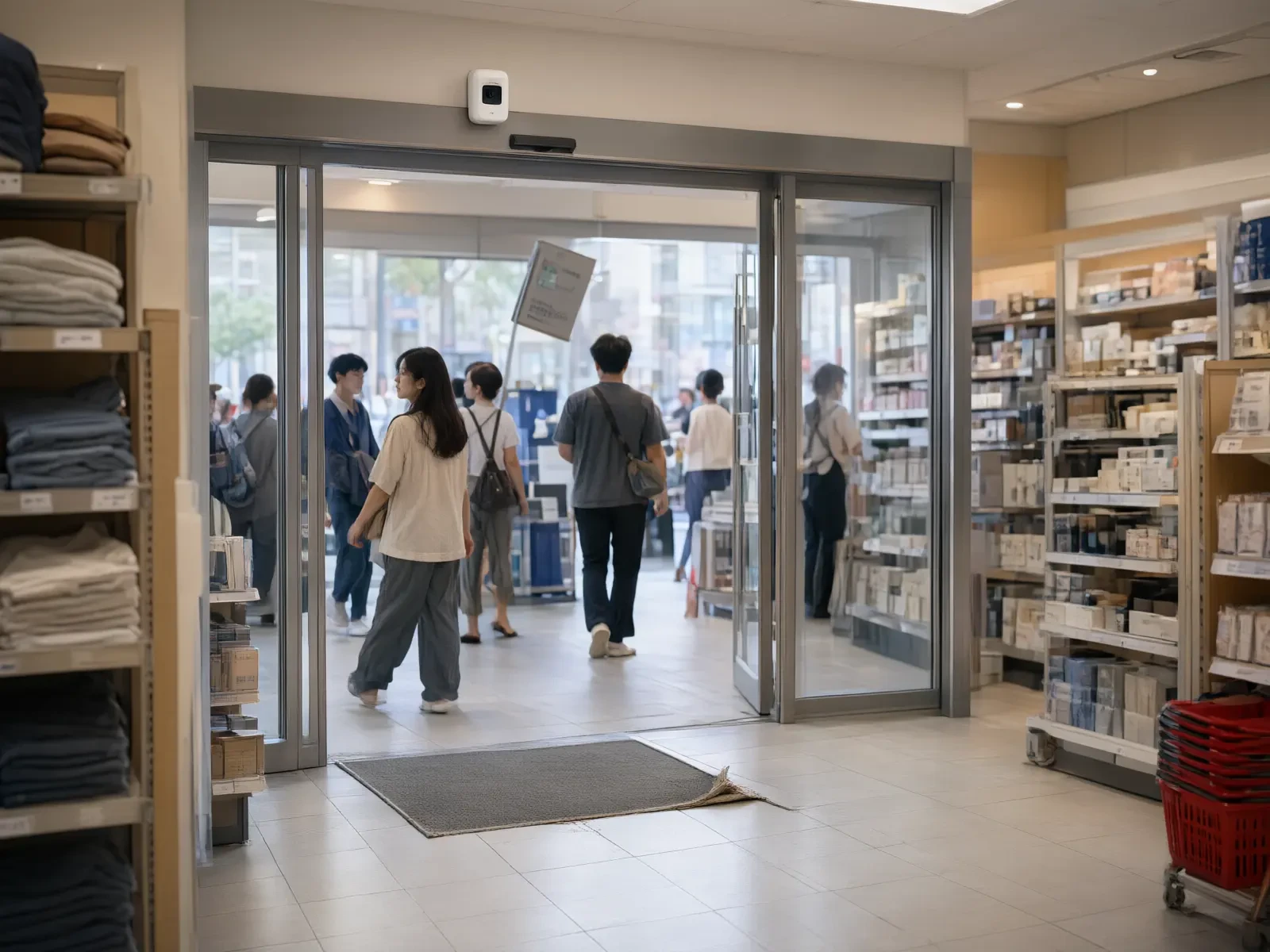
Launching foot traffic analytics for chain retail stores hinges on hardware. During device compatibility checks for our chain clients, the most frequent question we receive is: "Why do we need dedicated equipment when cameras are already installed?" This Q&A breaks down both solutions across three dimensions—cost, accuracy, and maintenance—with conclusions and supporting evidence detailed below.
2Compare the two approaches across five dimensions:
Deployment: Dedicated devices connect directly to the platform via HTTP API and upload only counting results; generic cameras output video streams, which the platform does not receive. Hardware costs: Dedicated devices require investment per site but allow zero-cost integration for existing equipment; while generic cameras have low unit prices, they require additional compute power and algorithms. Accuracy conditions: Dedicated devices perform stably when installed overhead with sufficient head pixel resolution; generic cameras experience amplified errors in oblique angles, backlighting, and long-distance scenarios. Maintenance scope: Dedicated devices are managed per site with offline caching and resync capabilities; generic camera solutions require simultaneous maintenance of video links, compute boxes, and algorithm versions. Data compliance: Dedicated devices output only counts and anonymized feature vectors; generic camera solutions expose raw footage into the analysis pipeline.
3Q1: Can existing general-purpose cameras at the store be directly integrated into the platform to track foot traffic?
No. The platform integrates exclusively with dedicated devices equipped for people counting via HTTP API, supporting brands such as Hikvision, Dahua, Uniview, Huawei, Dongqia, FLIR-Brickstream, ShopperTrak, NEC, FootfallCam, WanDianZhang, HuiNa Technology, and WenAn Intelligence. We do not accept video streams or ONVIF connections; please confirm specific supported models with customer service. This is an architectural boundary: dedicated devices perform object detection and counting at the edge, uploading only count results and anonymized feature vectors. In contrast, standard cameras output video feeds. To extract data from them, the platform would need to handle decoding, inference, and storage, fundamentally altering the entire pipeline.
4Q2: Where do the costs differ between the two solutions?
General-purpose cameras have lower unit hardware costs, but total cost must be evaluated over the full lifecycle. If your store already has mainstream dedicated devices, platform integration incurs minimal to no hardware expenses. SaaS is billed annually by organization, starting at 1200 per year. Choosing general-purpose cameras often requires additional investment in edge computing power, algorithm licenses, and site modifications (counting typically needs a top-down view). Bandwidth and storage for video streams are also billed separately. When combined, the three-year total cost may not be lower than that of dedicated equipment. There is no one-size-fits-all answer; it depends on the number of stores and existing device conditions. We recommend comparing costs item-by-item using a single-store breakdown.

5Q3: Where does the accuracy discrepancy come from?
Counting accuracy is determined by both installation conditions and the algorithm. Dedicated devices are designed for a top-down view; under standard installation (height 2.5 to 3.5 meters, viewing angle 0 to 15 degrees, and head resolution of at least 60 pixels), AI vision solutions achieve over 95% accuracy. General-purpose cameras are typically deployed in surveillance mode with oblique angles, backlighting, and long distances. Limited head resolution, combined with occlusions and multiple people walking side-by-side, amplifies errors. Infrared beam sensors represent a different approach: they are low-cost but prone to missing counts during parallel passage, making them suitable only for simple entry/exit counting.
6Q4: What should we monitor from an operations and compliance perspective?
The dedicated device reports count results. Due to low daily data volume per store, it caches data locally during network outages and resends after reconnection. The platform provides offline device alerts; operations are managed per site, not per video channel. The general-purpose camera solution requires maintaining the video stream, computing box, and algorithm version simultaneously; any instability in one component affects output. Compliance is often overlooked. The platform does not retain identifiable facial images, only reporting count results and anonymized feature vectors. It has passed security assessments by public security authorities and its core software is registered for copyright protection. Extracting data from video streams means raw footage enters the analysis pipeline, requiring reassessment of data retention scope, access permissions, and de-identification responsibilities. This workload is typically excluded from hardware quotes.
7Q5: What is the decision order for selecting chain store locations?
First, inventory existing devices to verify brand and model, and confirm whether they support foot traffic counting and HTTP API integration. Next, perform a compatibility check and categorize points into "compatible" and "incompatible." Finally, calculate the three-year total cost based on store count, point structure, and subscription models. Chains already using major-brand dedicated devices can integrate immediately without hardware replacement. For stores lacking dedicated equipment, we provide hardware selection guidance and on-site site surveys, determining the appropriate model based on ceiling height, customer flow patterns, and entrance/exit layouts.
8Conclusion: Balancing Error Rates and Operational Costs
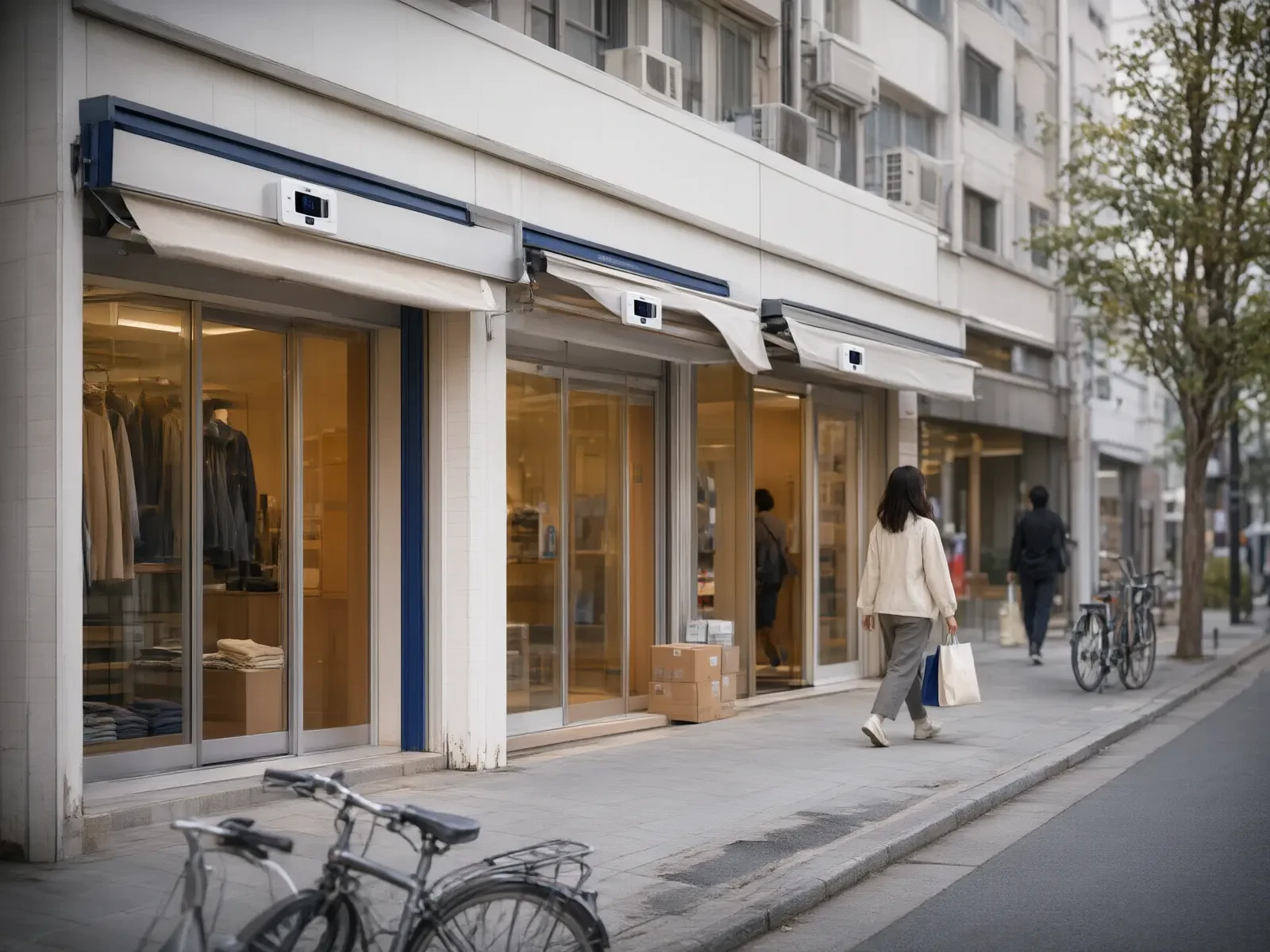
The essence of hardware selection lies in deciding where to place the burden: error tolerance or operational cost. As store count grows, front-end device stability and consistency in data definitions become critical. For retail chains, foot traffic data must be comparable across stores. If front-end devices vary in model or installation angle, no amount of backend reporting can reconcile those口径 differences. This is why specialized equipment remains difficult to replace at scale.
Frequently Asked Questions
Not supported. The platform only integrates with dedicated devices featuring passenger flow statistics via HTTP API; it does not accept video streams or use ONVIF. General-purpose cameras require decoding, inference, and storage handled by the platform, which is outside the supported scope.
Read more
Want to generate value from your existing equipment right now?
14-day free trial, no card required.
Continue reading
How to Choose the Right Plan for Our Foot Traffic Platform: A Clear Guide to Device Quotas and Data Retention
Read moreHow to bundle value-added modules? Overload warning, large-screen visualization, and remote store inspection.
Read moreHow to Choose a Foot Traffic Counting System: Start with These 5 Questions
Read moreUnlock business value from your existing devices.
Fill in your information. A technical consultant will contact you within 1 business days and provide a free device compatibility check.
- 14-day free trial, no credit card required
- Auto-renewal off, 7-day money-back guarantee
- Free Device Compatibility Check